
Understanding Drf Crefito in Medical Care
Drf Crefito is a practical concept used in clinical discussions about orthopedic and musculoskeletal management, emphasizing diagnosis, stability, and patient-centered treatment planning. This guide explains the term’s clinical context and how it typically relates to assessment and follow-up workflows. It stays objective, focusing on decision-making factors rather than unverified claims.
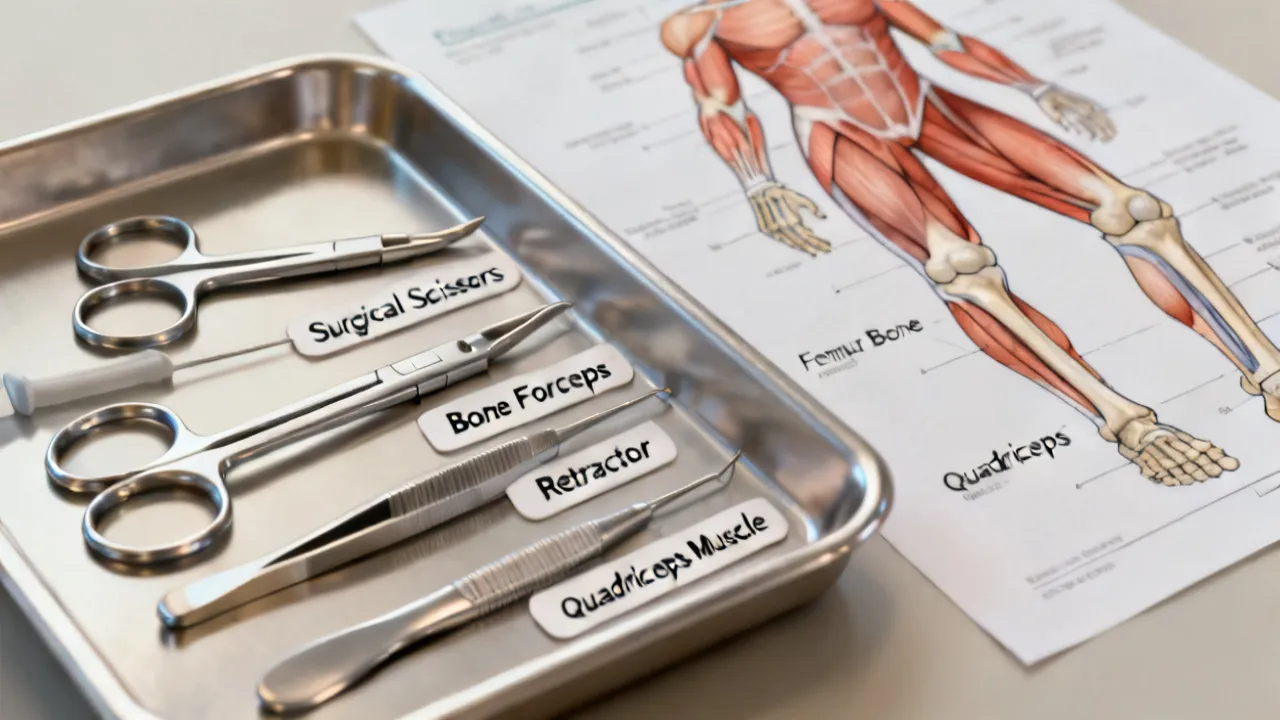
What “Drf Crefito” Means for Clinical Decision-Making
In everyday clinical practice, Drf Crefito is encountered as a shorthand used to organize care around musculoskeletal assessment—typically reflecting how clinicians think about stability, function, and stepwise management. While the exact wording can vary by institution or language tradition, the underlying goal remains consistent: align diagnosis with appropriate intervention and structured follow-up so that patient outcomes are approached systematically rather than reactively.
From an expert perspective, the very important value of Drf Crefito is not the “name” itself, but the framework it implies. Clinicians commonly use such terms to keep care pathways coherent: (1) confirm what is happening, (2) determine severity and functional impact, (3) choose a fitting treatment strategy, and (4) verify progress through reassessment.
To place this in objective context: healthcare decision-making for orthopedic or musculoskeletal complaints is widely guided by evidence-based assessment—history, physical examination, and when indicated, imaging—followed by treatment tailored to the patient’s risk profile and goals. This general approach is supported by major clinical guideline bodies such as the American Academy of Orthopaedic Surgeons (AAOS) and the National Institute for Health and Care Excellence (NICE), which emphasize appropriate triage, conservative-first pathways when appropriate, and careful follow-up.
In other words, when clinicians use a label like Drf Crefito, they are often signaling that the patient’s story and exam findings should be brought together to create a clear plan. That plan usually includes what to do now, what to do if the patient does not improve, what to watch for, and when to re-evaluate. This is a common principle across modern musculoskeletal care: avoid premature closure on diagnosis, avoid delayed recognition of red flags, and keep the patient’s function and tolerances at the center of the pathway.
Why the “Crefito” Component Matters in Clinical Language
The word portion resembling “Crefito” is often used in clinical shorthand to point toward the evaluation of symptoms and signs associated with musculoskeletal function. In orthopedics and rehab settings, clinicians may reference “crepitus”-type concepts—descriptions of joint sensations or audible/feeling changes during movement—to capture a functional complaint that can influence differential diagnosis and treatment selection.
Importantly, a single descriptor is not a diagnosis. Objective care requires correlation with exam findings and, when indicated, imaging. In other words, Drf Crefito is top understood as a prompt for structured clinical reasoning rather than a standalone explanation.
To understand why such “descriptor-based” terms can be clinically useful, consider what clinicians often try to do during the first visit. Patients commonly report symptoms in everyday language (“it grinds,” “it clicks,” “it feels unstable,” “something catches”). Clinicians then convert those descriptions into testable hypotheses. A “Crefito”-like element—especially if it points to movement-associated phenomena—may help guide which structures and movement patterns to examine (for example, joint surfaces, tendon gliding, bursa irritation, meniscal behavior, or ligament stability, depending on the joint involved).
At the same time, modern practice is careful about confirmation bias. Hearing or feeling “crepitus-like” phenomena does not automatically mean osteoarthritis, injury, or mechanical instability. Clinicians look for a pattern: timing (morning stiffness versus activity-related), distribution (which movements provoke symptoms), associated findings (swelling, warmth, reduced range, weakness, locking), and functional outcomes (pain-limited motion versus instability-limited motion). Thus, Drf Crefito is less a single sign and more a reminder to connect symptoms, biomechanics, and objective findings.
Core Clinical Workflow: From Assessment to Plan
When clinicians discuss Drf Crefito, they typically connect it to the broader workflow below. This is consistent with how orthopedic and rehab pathways are commonly organized across healthcare systems: careful assessment first, then selection of conservative or interventional strategies, and finally measured reassessment.
- Clinical assessment: symptom history, functional limitations, prior treatments, and red-flag screening.
- Physical exam correlation: joint stability tests, range of motion, pain mapping, and movement-related observations.
- Imaging or diagnostics when indicated: used to confirm or rule out conditions that could change treatment direction.
- Treatment planning: conservative care (when appropriate), rehabilitation targets, and escalation pathways if needed.
- Follow-up and outcome tracking: progress review, adjustment of therapy, and re-evaluation of goals.
This approach aligns with widely adopted evidence-based medical practice principles and is referenced in guideline frameworks from institutions like NICE (for musculoskeletal and pain-related pathways) and specialty guidance from professional societies.
It is also worth noting that clinicians generally tailor the “workflow” based on urgency and severity. A patient with suspected infection or acute neurovascular compromise is handled differently from a patient with mild, gradually progressive pain. Similarly, an athlete with acute injury may need quicker diagnostic decisions than someone with long-standing symptoms who responds well to conservative therapy. The Drf Crefito style of reasoning accommodates this by emphasizing the sequence: first ensure safety, then reduce uncertainty, then build a targeted plan, then confirm progress.
Industry Expert View: How Quality and Safety Are Determined
From an industry expert perspective, the “quality” of care related to Drf Crefito is determined less by terminology and more by consistency in process:
- Documentation clarity: clinicians should document what was observed and why decisions were made.
- Appropriate triage: escalating when symptoms suggest complications or non-routine causes.
- Measurable goals: rehabilitation plans should define what “better” means (function, strength, mobility, pain control over time).
- Risk-based treatment selection: balancing benefits, burdens, and patient-specific factors.
- Continuity of reassessment: avoiding “set-and-forget” treatment without outcome verification.
In practical terms, the expert lens is: does the care pathway reduce uncertainty and improve functional recovery? If the answer is yes, then the terminology—whether Drf Crefito or another local phrasing—acts as a useful mental organizer.
Quality also includes patient-centered communication. A well-structured approach typically includes education about the likely drivers of symptoms, realistic expectations for recovery, and shared decision-making on what to try next. When patients understand what is being tested (for example, whether pain is mechanical versus inflammatory, or whether instability is present), adherence and satisfaction tend to improve. In this sense, Drf Crefito can function as a shorthand for “explain the plan and follow it through with measurable outcomes.”
Pricing, Supply, and Supplier Considerations (Objective Framing)
In many markets, terms adjacent to clinical workflows can also appear in discussions about medical supplies—for example, components used in evaluation, support, immobilization, or rehabilitation environments. However, this article does not assume a universal “price” for Drf Crefito because costs vary by country, product type, regulatory category, and whether items are consumables, devices, or services.
To keep this objective and useful, here is how to think about “price information” and supplier decisions without relying on unverifiable numbers:
- Define what is being priced: is it an appointment/service, a diagnostic add-on, a brace/support item, or another category?
- Confirm regulatory status: the responsible supplier should provide documentation consistent with local regulatory requirements for medical products.
- Request itemized quotes: distinguish labor, consumables, and device costs.
- Check warranty/service terms: for devices or supports, reliability and replacement policies matter.
- Verify lead times: especially for custom components.
If you are evaluating suppliers, the safest comparison method is to compare like-for-like: same specifications, same regulatory classification, and the same intended use.
To add practical clarity, consider how suppliers might present bundled costs. A clinic might offer “assessment and brace fitting,” or a rehab provider might bundle evaluation, therapy sessions, and follow-up. When comparing suppliers, the decision-maker should determine what is included: Are there additional sessions if symptoms persist? Is reassessment included, or is it an extra charge? Is the brace truly customized, or is it a standard off-the-shelf option? Does the quoted cost include ongoing adjustments? These questions matter because the “quality pathway” implied by a Drf Crefito-style framework depends on follow-up and measurable progress, not only on initial provision.
Likewise, if the term Drf Crefito is used in some local marketplace or documentation to label a specific product category (for example, a support device, orthosis component, or evaluation kit), the supplier should be able to provide detailed specifications and intended-use statements. Without those details, pricing comparisons become unreliable. Therefore, supplier decisions should emphasize documented function, safety compliance, and compatibility with clinical protocols.
Nearby Context: Interpreting Local Care Expectations
Your experience of Drf Crefito in clinical settings may reflect local practice patterns—how orthopedic clinics schedule imaging, how rehabilitation is structured, and how follow-up outcomes are measured. In many “nearby” healthcare environments, patients notice differences such as appointment cadence, rehab referral pathways, and communication style between clinics and physiotherapy providers.
A practical cultural nuance: in many regions, patients often seek reassurance quickly, especially when pain or movement changes are disruptive. Clinicians who use a structured term like Drf Crefito typically aim to avoid ambiguity—translating symptoms into an action plan that is easier to understand and more consistent to follow.
Another real-world factor is access. If imaging resources are limited or scheduling is slow, clinicians may use a more conservative first approach when safe, relying on exam findings and functional progress to guide next steps. If access to physiotherapy is limited, the clinic may focus on home exercise programs and self-management strategies with a clear reassessment interval. Even when resources differ, the Drf Crefito-style workflow remains: screen for red flags, document function, correlate with exam, decide on diagnostics when indicated, treat in steps, and reassess.
Patients also interpret care quality through the lens of responsiveness. A structured pathway tends to provide a timeline: when the next check-in occurs, what improvement is expected, and what would trigger escalation. That predictability reduces anxiety and supports adherence. Anxiety and catastrophizing can influence pain perception and disability, so communication and expectation-setting are not “extras”—they are part of effective clinical management.
Supplementary Comparison Table: Assessment vs. Treatment Decisions
The table below summarizes how a clinician’s approach to Drf Crefito-type reasoning often differs across common musculoskeletal scenarios. No specific pricing is shown, and it should be treated as a decision-support framework rather than a prescription.
| Clinical Focus | Typical Emphasis in “Drf Crefito” Reasoning | What Clinicians Look For | Common Care Pathway Direction |
|---|---|---|---|
| Symptom description & function | Correlating movement-related complaints with expected mechanics | Pain timing, stiffness patterns, activity limitation, reproducibility | Education, staged rehab, activity modification |
| Physical examination | Assessing stability and mechanical behavior during range of motion | Range limits, tenderness, stability, swelling signals | Targeted physiotherapy; consider imaging if indicated |
| Diagnostic confirmation | Using findings to reduce uncertainty | Imaging results when clinically necessary; differential diagnosis updates | Conservative-first or escalation if red flags or failure of improvement |
| Rehabilitation planning | Setting measurable functional goals | Strength deficits, mobility constraints, gait or movement quality | Progressive loading, motor control work, symptom-guided adjustments |
| Follow-up & outcome tracking | Reassessing “what changed” since the last visit | Improvement trends, persistent barriers, adherence and tolerance | Continue, modify, or escalate—based on response |
Step-by-Step Guide: Applying a Drf Crefito–Style Framework
This section provides a structured, practical workflow consistent with evidence-based musculoskeletal care. Treat it as a guide for understanding what competent clinical teams typically do, not as a substitute for professional evaluation.
1) Start with red-flag screening
Before focusing on descriptors such as “Crefito”-like observations, clinicians confirm whether symptoms suggest urgent causes. Examples of “red-flag” categories (the presence of which warrants rapid evaluation) may include severe trauma, infection concerns, unexplained systemic symptoms, or neurological compromise. The exact triggers for escalation differ by guideline and clinical setting, so referral pathways should follow local protocols.
Red flags are not only about dramatic scenarios. They also include subtle patterns that clinicians learn to recognize. For example, fever plus joint pain and swelling may indicate infection, while progressive numbness or weakness may indicate nerve compromise. Unexplained weight loss or night sweats might suggest systemic disease rather than a purely mechanical musculoskeletal issue. Even if such findings are uncommon, the screening step protects patients from harm by ensuring that urgent conditions are not missed.
In practice, the “screening” portion of Drf Crefito-style reasoning is often supported by standardized questions and documentation habits. Clinicians may ask about:
- Recent injury mechanism (fall, twist, high-energy impact)
- Unexplained fever or chills
- Night pain that does not change with rest
- Progressive neurological symptoms
- History of malignancy or immunosuppression
- Inability to bear weight, severe unrelenting pain, or rapid swelling
2) Document the functional impact
Clinicians then translate symptoms into functional terms. Instead of only “something feels wrong,” they ask: what movements are painful or restricted; which activities are affected; and how the problem changes over time.
This step is more than documentation—it guides the entire plan. Two patients may both report “knee creaking,” but the clinical implication may be very different if one patient can exercise normally and feels only minor discomfort, while another cannot squat without severe pain or has episodes of giving way. Function is where therapy becomes measurable.
When clinicians document functional impact, they typically capture:
- Activity limitations (stairs, running, sitting, lifting, walking distance)
- Movement intolerance (range of motion thresholds, end-range pain)
- Temporal pattern (morning stiffness, activity provocation, post-activity flare duration)
- Mechanical behavior (locking, catching, instability, shifting sensations)
- Work and life impact (sleep disruption, ability to perform job tasks, caregiving limitations)
Because pain perception is influenced by multiple factors—including psychosocial stress, sleep quality, and expectations—clinicians may also inquire about fear of movement, previous experiences with injury, and confidence in returning to activities. While this is sometimes framed as “context,” it still affects decision-making: a plan that aligns with the patient’s beliefs and readiness can improve adherence.
3) Correlate with the physical exam
A key element of the Drf Crefito style of reasoning is correlation: movement-related complaints should be matched with exam findings such as range of motion, tenderness patterns, and stability behaviors.
Correlation means the clinician does not stop at “what the patient feels.” The clinician also checks whether the physical signs reproduce symptoms and whether the signs align with the anatomical hypothesis. For example, if a patient reports “clicking” with squatting, the clinician may test whether the clicking is reproducible during specific movements, whether there is pain localized to structures that could be implicated, and whether there are signs of instability.
Depending on the body region and suspected diagnosis, the exam may include:
- Range of motion testing: active and passive, end-range quality, symmetry
- Strength testing: manual muscle testing, resisted movements
- Stability testing: ligament integrity tests, dynamic stability observation
- Pain mapping: palpation and movement-based pain localization
- Swelling and effusion assessment: warmth, edema, joint line tenderness
- Neurovascular checks: sensation, reflexes, motor function when indicated
Clinicians also tend to observe movement patterns in real time: gait, squat mechanics, landing mechanics, and posture. “Crefito”-type sensations often show up during functional tasks rather than static positions, so dynamic observation is often critical.
4) Decide whether diagnostics are indicated
If the exam suggests a condition that would change management, imaging or other diagnostics may be used. In many guidelines, imaging decisions depend on clinical suspicion, duration of symptoms, severity, and response to initial management.
Diagnostic testing is not automatically required for every musculoskeletal complaint. Evidence-based practice typically favors:
- Conservative management first when clinical suspicion is low and red flags are absent
- Targeted diagnostics when the exam suggests structural injury, progressive neurological compromise, or when symptoms do not improve
- Appropriate test selection (e.g., plain radiographs for certain joint issues, ultrasound for some soft tissue concerns, MRI when it will change management)
Even when imaging is ordered, the result must be interpreted in context. Degenerative findings are common in asymptomatic people. A Drf Crefito-style workflow emphasizes that imaging supports the clinical story; it does not replace it. The clinician asks: Does the imaging finding explain the patient’s symptoms and functional limitations? If it does not, the plan may remain conservative while further exam testing or a different diagnostic hypothesis is pursued.
In addition to imaging, diagnostics can include lab tests when inflammatory or infectious causes are suspected. If symptoms include unexplained systemic signs, clinicians may order blood work rather than immediately ordering advanced imaging. Again, the “Drf Crefito” framework is about matching the diagnostic step to the clinical question.
5) Choose a staged treatment plan
A typical approach begins with conservative care when appropriate—education, graded activity, and rehabilitation tailored to the suspected mechanical or functional drivers. If conservative management fails or if severity requires it, clinicians may escalate within guideline-consistent pathways.
Because musculoskeletal problems often have overlapping causes, staged management helps prevent both under-treatment and overtreatment. A clinician may start with education and symptom-guided activity modification, then add strengthening and motor control once acute pain is more stable, and then progress toward higher load activities and specific training for the patient’s goals.
Staged planning often includes:
- Phase 1 (reduce irritability): manage pain, protect aggravating movements briefly, restore basic mobility
- Phase 2 (restore capacity): strengthen weak links, improve range, refine movement quality
- Phase 3 (return to activity): progressive loading, endurance work, sport or job-specific tasks
- Escalation criteria: defined triggers for reassessment or referral (e.g., failure to improve, worsening function)
Depending on the condition, conservative care may involve physiotherapy, home exercise programs, manual therapy techniques, bracing/orthoses, assistive devices temporarily, and sometimes pharmacologic pain control. Clinicians tend to consider risks and contraindications, including patient comorbidities and medication history. The plan is chosen based on both clinical evidence and patient preferences.
For example, if Drf Crefito reasoning points toward mechanical symptoms and suspected joint or tendon involvement, therapy may emphasize movement retraining, tendon loading, or joint stabilization exercises. If symptoms suggest instability, balance and proprioception training may be central. If stiffness is prominent, mobilization and graded movement exposure may be prioritized. The point is not the label; it is the match between symptoms, exam findings, and treatment targets.
6) Reassess using outcome goals
Finally, progress is evaluated. The reassessment should focus on whether function is improving and whether symptoms are trending in the expected direction. If improvement plateaus or worsens, clinicians revisit diagnosis, technique, and the plan’s suitability.
Reassessment is where the “safety” of a stepwise framework is realized. Without reassessment, a patient might remain on an ineffective pathway for too long. With reassessment, clinicians can:
- Confirm the diagnosis hypothesis (or revise it)
- Identify barriers (adherence issues, insufficient load progression, fear of movement, sleep problems)
- Adjust dosing of therapy (more or less intensity)
- Consider new diagnostics if the clinical picture changes
- Escalate to specialist care when indicated
Outcome tracking can include patient-reported measures such as pain scores, function scales, and goal attainment. Clinicians also observe whether the movement pattern improves and whether the “Crefito”-like symptom is changing in relation to activity. It is also common to track tolerance: for instance, whether walking time is increasing, whether night pain is decreasing, or whether stair climbing is becoming easier.
Conditions and Requirements for Responsible Care
Because Drf Crefito is a framework rather than a single medication or procedure, the “requirements” are top described as clinical conditions:
- Professional evaluation is required: movement-related symptoms should be assessed by a qualified clinician.
- Correlation with objective findings: any interpretation should be supported by exam findings and, when needed, diagnostics.
- Follow-up is part of the plan: outcomes must be tracked rather than assumed.
- Rehab plans must be tailored: therapy should match the patient’s functional deficits and tolerance.
- Safety monitoring: clinicians should monitor for adverse effects, worsening symptoms, or red-flag emergence.
Responsible care also includes appropriate referral and shared responsibility. If the patient’s symptoms indicate a need for urgent care, a framework like Drf Crefito should not delay escalation. If the patient has chronic symptoms, responsible care may involve educating the patient on long-term management and coping strategies, not only focusing on short-term symptom suppression. If surgery is considered, responsible care means the clinician should explain indications, expected benefits, risks, and alternatives—and reassess based on functional outcomes afterward.
There is also an ethical dimension. Clinicians must avoid presenting a shorthand term as a guarantee of results or a deterministic label. Instead, Drf Crefito should be treated as a guide to structured reasoning. Patients should be encouraged to ask questions: “What are you thinking is causing this?” “What would make you change your mind?” “How will we know if the plan is working?” A responsible pathway answers these questions clearly.
Expanding the Framework: How Clinicians “Think in Steps” During Real Visits
To make Drf Crefito more concrete, it helps to describe how a clinician might move through the steps during a typical musculoskeletal appointment. Imagine a patient with knee pain that worsens during stair descent and is associated with a sensation of grinding or clicking. The patient uses informal language, such as “it creaks” or “it feels unstable.” The clinician’s approach could look like this:
Step A: safety and urgency — The clinician asks about trauma, infection risk, fever, inability to bear weight, and neurological symptoms. If none are present, urgent escalation is less likely.
Step B: functional mapping — The clinician identifies that stairs specifically provoke symptoms, while daily walking is tolerated. They ask whether the clicking is associated with pain, whether there is swelling after activity, and whether the knee locks or gives way.
Step C: exam correlation — The clinician examines range of motion, palpates joint lines, assesses for effusion, checks stability, and reproduces symptoms through movement. They look for whether tenderness aligns with the patient’s pain location and whether instability tests are positive.
Step D: diagnosis refinement — Based on exam patterns, the clinician considers mechanical drivers (for example, meniscal behavior, patellofemoral mechanics, or tendon irritation) and weighs them against inflammatory or systemic causes.
Step E: decision about diagnostics — If the story and exam suggest structural injury that will change management, imaging is ordered. If suspicion is low and the patient’s symptoms are manageable, conservative care is started first.
Step F: staged treatment — Education and activity modification begin, followed by targeted strengthening and movement retraining to address mechanical contributors. If symptoms persist beyond a timeframe or worsen, the clinician reassesses and may escalate.
Step G: reassessment — The clinician reviews whether stair tolerance improves, whether pain and clicking change, and whether functional milestones are being met.
In this process, Drf Crefito operates as a conceptual scaffold: symptoms plus exam plus action plus reassessment. The scaffold makes it easier to avoid random changes in plan and to keep care aligned with patient outcomes.
Common Misinterpretations and How Good Care Avoids Them
Because Drf Crefito is a shorthand, misinterpretations can occur—especially when patients assume it is a specific diagnosis or when non-clinical staff treat it as a “label.” Good practice avoids several common pitfalls.
Pitfall 1: treating the descriptor as the diagnosis
A patient may hear “crepitus” or a similar term and assume they have osteoarthritis or a permanent structural damage. Clinicians counter this by correlating with function, exam findings, and imaging when needed. The presence of clicking alone does not fully predict severity; clinical context matters.
Pitfall 2: skipping red-flag screening
If urgent causes are not screened, delayed diagnosis could lead to harm. The framework explicitly begins with safety checks before focusing on mechanical descriptors.
Pitfall 3: failure to define measurable goals
If therapy goals are vague (“get better”), reassessment becomes difficult. The framework emphasizes measurable outcomes: range of motion gains, improved strength, increased activity tolerance, and reduced pain over defined time intervals.
Pitfall 4: assuming imaging ends the diagnostic process
Sometimes imaging reveals abnormalities that do not clearly explain the patient’s symptoms. Clinicians may continue conservative care if it aligns with the functional pattern and if no red flags emerge. Conversely, imaging may reveal urgent pathology that changes management. The key is that imaging supports decision-making rather than replacing it.
Pitfall 5: not adjusting therapy when progress stalls
In a stepwise framework, plateaus trigger reassessment and possible plan modifications. Without this, patients may spend months doing the wrong exercises or too much/too little load progression.
How Different Clinical Scenarios Fit Into “Drf Crefito” Reasoning
Although Drf Crefito is not a universal diagnosis, the reasoning style can be mapped onto multiple clinical scenarios. Below are examples of how clinicians might apply the framework across different musculoskeletal contexts.
Scenario 1: Gradual onset joint pain without major trauma
When symptoms develop gradually and the patient can still function, clinicians often start with a conservative-first approach if red flags are absent. They may emphasize graded activity, education, strengthening, and mobility work. Diagnostics might be deferred unless symptoms are severe, progressive, or unresponsive to initial management.
Scenario 2: Acute injury with mechanical symptoms
If a patient reports a twist or fall with sudden pain and mechanical behaviors (locking, catching, giving way), clinicians pay closer attention to stability and structural injury possibilities. Depending on the exam, imaging might be considered sooner. Treatment may include protective strategies, early rehabilitation tailored to the suspected injury, and clear escalation criteria.
Scenario 3: Persistent symptoms despite initial conservative care
If a patient completes a reasonable trial of rehabilitation but fails to improve, clinicians revisit the diagnostic hypothesis. They might refine the exam, consider additional diagnostics, adjust the therapy plan (exercise selection, intensity, frequency), or refer to a specialist. The reassessment step prevents “therapeutic stagnation.”
Scenario 4: Symptoms with inflammatory or systemic features
If the patient’s history includes systemic signs, morning stiffness that is prolonged, fever, or significant swelling and warmth, clinicians expand the differential beyond mechanical explanations. Labs or imaging may be ordered, and referral may be required. Again, the Drf Crefito-style workflow begins with safety and risk screening before choosing treatment steps.
Scenario 5: Patient with high fear of movement
Fear can intensify pain and disability. Clinicians in a structured framework address this with education, graded exposure, and confidence-building. They may set small, achievable goals and provide feedback on progress. Reassessment includes whether fear is decreasing and whether function is improving alongside symptom changes.
How Outcome Goals Should Be Chosen
A recurring principle in Drf Crefito-type reasoning is measurable goals. The challenge is choosing goals that are both clinically meaningful and realistically achievable within a timeframe.
Common goal categories include:
- Pain reduction: “Pain is reduced from X to Y during walking” or “post-activity pain flares shorter in duration.”
- Range of motion: “Improved knee flexion to a functional threshold without severe end-range pain.”
- Strength: “Improve quadriceps strength enabling stair descent.”
- Function: “Return to walking 20 minutes” or “resume work tasks.”
- Movement quality: “Reduced limp” or “improved squat mechanics” assessed by observation.
- Safety: “No episodes of giving way” or “no worsening swelling after sessions.”
Clinicians also consider patient-specific factors such as age, baseline function, comorbidities (diabetes, cardiovascular disease), and current medication. A goal that is too aggressive can backfire by increasing pain and discouraging adherence. Conversely, goals that are too conservative may not provide enough progress stimulus. Therefore, goals should be chosen as part of a stepwise plan with reassessment intervals.
Rehabilitation Planning in a Drf Crefito–Style Framework
Rehabilitation is not a single intervention; it is a structured process of loading, movement training, symptom monitoring, and progression. A Drf Crefito-style approach ensures rehabilitation is connected to the diagnostic hypothesis and adjusted based on outcomes.
Rehab planning commonly involves:
- Exercise selection: targeted to suspected mechanical drivers and functional deficits.
- Dosage: frequency, sets, repetitions, and intensity chosen to match tolerance.
- Progression criteria: objective markers (pain thresholds, improved range, reduced symptom flare duration) that signal readiness to progress.
- Symptom-guided adjustments: if pain increases beyond acceptable levels, the plan is modified (often reducing volume or altering technique).
- Education: explaining why exercises are chosen and how they connect to the patient’s symptoms.
In addition, rehab may incorporate functional training—such as gait retraining, balance exercises, or task-specific drills—because many “Crefito”-like symptoms appear during activity rather than at rest. Clinicians also address mobility and strength in a linked way. For example, if a joint is irritated, improving hip or ankle mobility might reduce joint stress; if weakness is present, strengthening proximal stabilizers may improve joint mechanics.
When Escalation Is Appropriate
Escalation does not necessarily mean surgery. In a Drf Crefito-style framework, escalation refers to any step that increases diagnostic certainty or changes treatment intensity when conservative care is not sufficient.
Examples of escalation include:
- More detailed imaging after failure of conservative improvement
- Referral to orthopedic or sports medicine specialist
- Referral to rheumatology if inflammatory signs emerge
- Consideration of procedural interventions when appropriate (e.g., injections) with careful risk-benefit discussion
- Temporary bracing or assistive devices if instability is limiting safety
Clinicians generally define escalation criteria upfront to avoid delays. For instance, they may say: “If you are not improving within 4–6 weeks, we will re-evaluate and consider imaging or specialist referral.” This communicates that the plan is dynamic and responsive to outcomes.
FAQs
What is Drf Crefito used for?
Drf Crefito is typically used as a clinical shorthand to structure how practitioners think about musculoskeletal assessment and management—especially where movement-related observations and stability/function considerations influence diagnosis and next steps.
Does Drf Crefito guarantee a specific diagnosis?
No. A term like Drf Crefito generally supports clinical reasoning, but diagnosis depends on history, exam findings, and—when indicated—diagnostic tests.
Is “Crefito” related to crepitus?
In some clinical contexts, “Crefito” may be used alongside concepts resembling crepitus (a sensation or sound during movement). However, the exact meaning can vary by local phrasing, so clinicians should interpret it within the full clinical picture.
How should I evaluate pricing or suppliers related to this care area?
Ask for itemized quotes tied to clearly defined services or products. Confirm regulatory documentation where applicable, request specifications, compare like-for-like offerings, and clarify warranties or service policies. Avoid decisions based on vague or bundled pricing descriptions.
What outcomes should I expect from a structured approach?
Common goals include improved mobility, better movement quality, reduced pain over time, and increased ability to perform daily activities. Outcomes should be tracked with realistic timeframes agreed upon during clinical follow-up.
When should I seek urgent medical attention?
Seek urgent care if symptoms suggest complications such as severe trauma, possible infection, rapidly worsening pain, neurological deficits, or systemic illness. Local emergency criteria should guide decisions.
Which organizations provide reliable guidance for musculoskeletal care pathways?
Guidance often references established bodies such as NICE and AAOS, along with specialty society recommendations. These sources emphasize safe assessment, appropriate triage, and evidence-informed treatment selection.
Reference Sources (for evidence-based context)
- NICE guideline summaries and musculoskeletal care pathways (evidence-based decision support).
- AAOS (American Academy of Orthopaedic Surgeons) clinical resources and patient guidance aligned with evidence-based practice.
Note: This article explains Drf Crefito in a clinically responsible, objective manner. If you share your specific condition (for example, which joint or symptom timeline), I can help map how clinicians typically structure assessment and treatment planning for that scenario—without relying on unverifiable claims.
-
1

Explore the Tranquil Bliss of Idyllic Rural Retreats
-
2
Unlock the Full Potential of Your RAM 1500: Master the Art of Efficient Towing!
-
3
Leveraging High-Interest CDs for Optimized Investment Returns
-
4
How to Take Advantage of Debt Consolidation Loans: Key Strategies
-
5
Understanding Debt Consolidation Loans: Weighing Advantages and Disadvantages